


Part of our job as Financial Advisors is to mitigate risk…
…in this case:
1) The risk of too much of your net worth going to the IRS and
2) The risk of having your estate divided and administered in a way inconsistent with your intentions.
Around $36 trillion dollars will be transferred to the next generation over the coming 30 years. How much of that will go to the state unclaimed? How much will go to the probate courts by way of expenses? How much will go to the IRS in unnecessary taxes? Unfortunately, the answer to each one of these questions is “too much”.
For today, I’ll provide an overview of estate planning and give you a sneak peek at what other topics we will cover this month.
What is estate planning?
By definition, estate planning is the arranging for the disposition and management of one's estate at death using wills, trusts, insurance policies, and other devices.
In practice, it’s your and your family’s way of expressing your wishes or choosing the person(s) that will act in your stead when you are no longer capable of expressing them yourself. This could be at a time of temporary incapacity, permanent incapacity (dementia, coma, etc.) or after death.
We accomplish this through the preparation of legal documents such as Power of Attorney, Wills, Trusts, Healthcare directives and beneficiary designations.
Who is estate planning for?
Short answer, everyone.
Long answer, any individual, family, parents with minor children, parents with a child with special needs, business owners, high net worth individuals or anyone that has a concern over healthcare related decision making. That’s a long list. We can explore strategies for each of these groups.
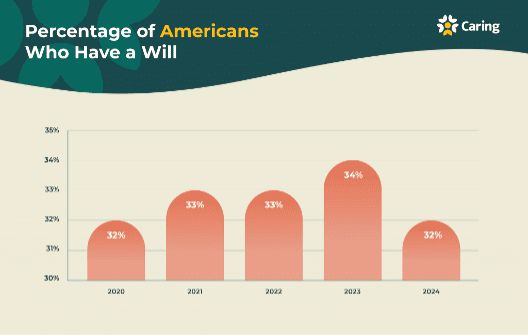
Unfortunately. 68% of Americans don’t have a will and 40% assume they don’t have enough assets to need one (per Caring.com). This needs to change.
Why do I need an estate plan?
We'll give you 8 reasons:
- Determine how (and to who) your assets are distributed
- Decide on guardians for your children (and pets!)
- Minimize conflicts between heirs
- Limit the cost and time required to transfer assets
- Make key healthcare decisions before you’re unable to
- Decide who will handle your finances if you’re not capable
- Reflect your values through charitable giving
- Peace of mind to yourself and your loved ones
When should I start this process?
Yesterday. (Just kidding)
There will be some items to gather and some areas that need thought, but it is best to get the process moving ASAP.
In practice, Americans find it more valuable to walk through estate planning as they get older. Intuitively that makes sense. However, there are risks to not having an estate plan at every stage of life. Priorities may be different, but the value of estate planning is constant.
How much does it cost?
This depends on your state and situation complexity but can range from a few hundred dollars to several thousand.
How long does it take?
In general, 1-3 months. This includes meetings and document preparation/execution.
An example of poor estate planning?
Jimi Hendrix died tragically at the age of 27. He left behind a girlfriend, two kids and no estate plan. The state of New York passed Hendrix’s entire $100 million dollar estate to his father, leading to decades of futile legal action. You don’t want your estate decided by probate court.
Thanks for reading.
Happy planning!
Disclaimer: The intent of the information to follow is an overview and not designed to provide any specific financial or legal advice. This information is merely to inform and I encourage you to reach out to your financial professional about your specific situation.
Become empowered with a plan
We remove the complexity